

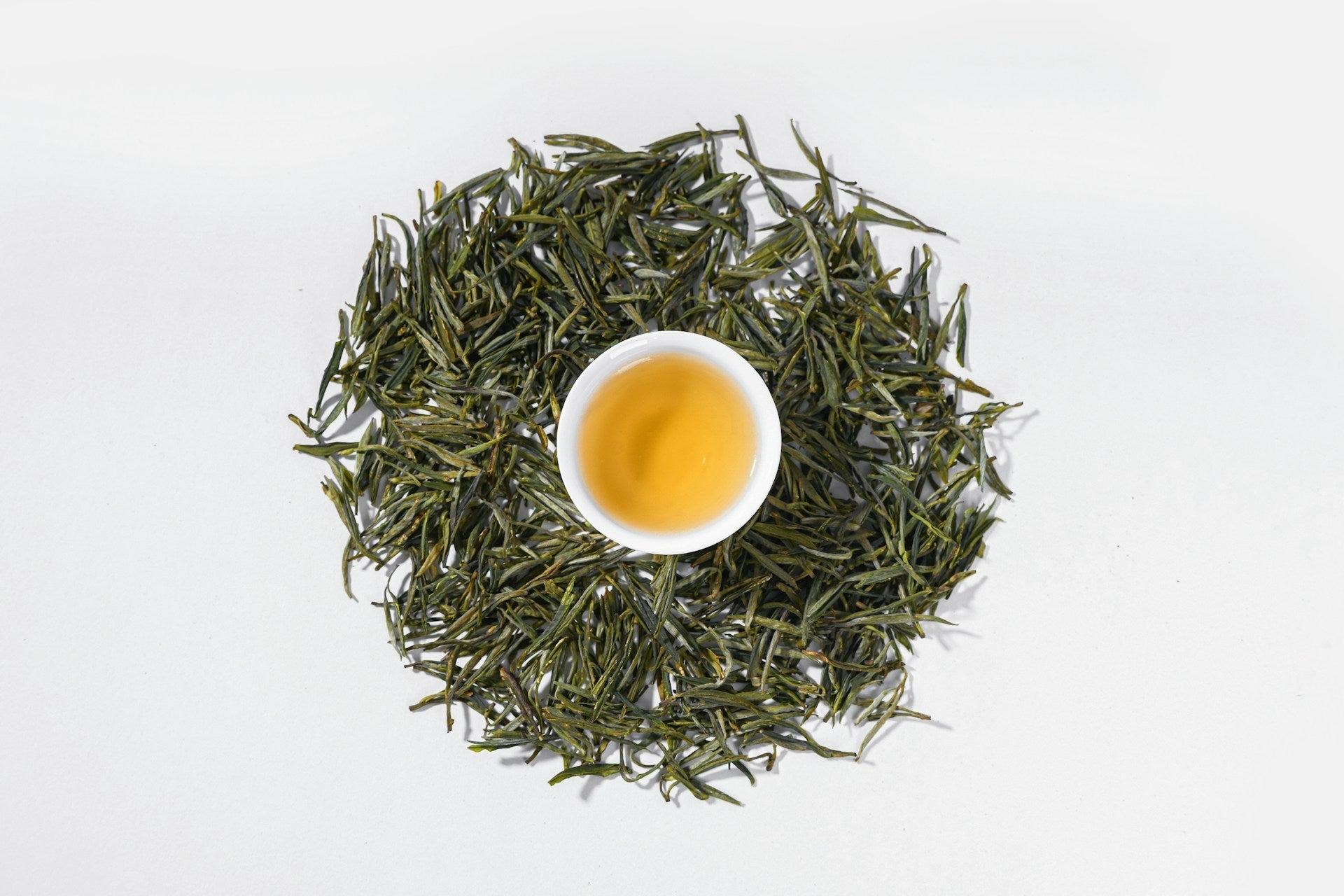
You want the best tea for vocal health. You need clarity now. Here is the core guidance I give working singers and speakers.

What You Need To Drink Today
The quick answer
- For hoarseness or dryness: slippery elm, marshmallow root, licorice root.
- For swelling or tightness: ginger tea, chamomile tea.
- For congestion with dull tone: peppermint tea in moderation.
- For lost voice support: a demulcent blend like Throat Coat.
- For daily maintenance: warm, non-caffeinated herbal infusions.
I use this short list before long sessions. It keeps my voice clear. It keeps my breath easy. If you want a ranked breakdown for performance use, read the best teas for vocal cords 2025 comparison. It shows how herbal and green options stack up.

The Best Teas and Why They Work
A focused overview with compounds and actions
Most readers ask me the same question. Which tea helps the voice, and why? I prefer a clear table you can use today. Use it to match your symptom to a tea.
| Tea or Blend | Key Active Compounds | Main Vocal Actions | Best For | Notes |
|---|---|---|---|---|
| Ginger tea | Gingerols, shogaols | Anti-inflammatory, stimulates circulation, clears passages | Swelling, tightness, dull resonance | Strong flavor. Can warm the chest. |
| Chamomile | Flavonoids like apigenin, terpenoids | Anti-inflammatory, antispasmodic, calming | Tension, mild soreness, sleep support | Soothes nerves before a set. |
| Licorice root | Glycyrrhizin, flavonoids | Demulcent, anti-inflammatory, expectorant | Scratchy throat, mild cough | Limit with hypertension concerns. |
| Slippery elm | Mucilage | Potent demulcent, coats mucosa | Hoarseness, dryness, rawness | Thick, gel-like comfort. |
| Marshmallow root | Mucilage | Demulcent, protective film | Irritation, persistent dryness | Gentle, steady coating. |
| Peppermint | Menthol | Mild anesthetic, decongestant | Congestion, throat tickle | Can feel drying if overused. |
| Throat Coat blends | Mixed demulcents | Synergistic soothing, coating, relief | Lost voice, recovery days | Read labels for licorice content. |
If you plan a demanding week, build around ginger and demulcents. When I need deeper detail on ginger, I revisit this primer on the science-backed benefits of ginger tea for singers. It shows why ginger helps circulation and tone.
When a reader tells me, “I lost my voice,” I direct them to this tested roundup. Here is a practical review of the best tea for a lost voice comparison. It compares blends by ingredients and impact.

What To Avoid or Limit
Protect your vocal folds by saying no to the wrong cup
Some teas work against your goals. I have learned the hard way. A drying cup before a tasting ruined my closing remarks. Keep your path clean with four simple guardrails.
- Limit high-caffeine tea on show days.
- Avoid scalding temperatures.
- Moderate acidic additions if you get reflux.
- Skip heavy astringency during recovery.
Use these numbers to steer clear of traps.
| Item | Typical Amount | Vocal Risk | Note |
|---|---|---|---|
| Black tea | 40–70 mg caffeine per 240 ml | Possible dehydration | Brew lighter if you must. |
| Green tea | 20–45 mg caffeine per 240 ml | Mild drying risk | Matcha can be higher. |
| Oolong tea | 30–50 mg caffeine per 240 ml | Drying risk | Save for off days. |
| Yerba mate | 70–85 mg caffeine per 240 ml | Dehydration risk | Not ideal before sets. |
| Guayusa | 60–90 mg caffeine per 240 ml | Dehydration risk | Skip during recovery. |
| Lemon juice | pH 2.0–2.6 | Reflux trigger | Use drops, not slices. |
| Hibiscus tea | pH 2.5–3.0 | Reflux trigger | Dilute or avoid if sensitive. |
| Very hot tea | Above 60°C / 140°F | Tissue irritation | Sip warm, never hot. |
| Strong tannic brews | High tannin | Dry, tight sensation | Brew shorter and lighter. |
If you like singing science, this guide answers a common question. Read this review on does tea help the singing voice. It explains hydration and tone in simple terms.

How To Prepare Tea For Vocal Benefit
Temperature and steeping that keep your voice safe
Technique matters. The wrong heat can undo the right herb. Follow this framework. It has saved me during long tasting days and stage talks.
- Steep with boiling water for herbal roots and barks.
- Let the cup cool to 40–55°C before sipping.
- Keep steep times between 5–15 minutes.
- Aim longer steeps for mucilage-rich herbs.
Practical tips help. I time cooling with the back of the hand. If the cup feels hot but bearable, it is likely safe. I rewarm in short bursts if it drops below comfort.
Additions that help, without backfiring
A few additions can amplify relief. I keep them simple. They work best when used with restraint.
- Raw honey: one to two teaspoons per cup. Gentle demulcent support.
- Lemon: a few drops only. Helps thin mucus without acidic burn.
- Fresh ginger slices: two to three thin slices per cup. Extra warmth.
I skip milk during recovery. I find it blunts clarity for me. You may be different. Test on an off day.
Frequency and timing that fit real life
Consistency beats intensity. Small cups spread across your day work well. Use this schedule as a base.
- Daily care: two to three cups, spaced morning to evening.
- Pre-performance: one cup 30–60 minutes before call time.
- Recovery days: four to six cups, sipped slowly across the day.
For a broader view across tea types and use cases, see this concise review of the best tea for the singing voice review. It balances taste with effect.

How Fast It Works
Immediate relief you can feel
Warmth plus demulcents act fast. Most readers report comfort within 5–20 minutes. I do too. The coating eases friction. The warmth reduces perceived pain. Breath softens. Tone opens.
Sustained gains that hold up on tour
Long-term change takes time. Daily cups build a baseline. You may notice fewer flare-ups in two to four weeks. Hydration and anti-inflammatory effects stack. Your range feels safer. Your recovery shortens. Tea is not a cure for pathology. It is a reliable pillar in a routine.
If throat issues linger, get checked. See an ENT or a voice therapist. Tea supports your care. It does not replace diagnosis.

The Science Without Hype
What is doing the work inside the cup
I once sold tea by the label. The mountain name. The vintage stamp. That era taught me what hype can hide. In vocal care, skip hype. Look at compounds.
- Gingerols reduce inflammation. They also increase microcirculation.
- Mucilage in slippery elm and marshmallow coats tissue.
- Glycyrrhizin in licorice offers soothing and expectorant effects.
- Flavonoids in chamomile calm spasms and ease tension.
- Menthol in peppermint cools and clears.
Warm water hydrates your whole system. Hydrated folds vibrate with less effort. Less effort means less damage. Antioxidants support tissue resilience over time. That is the simple truth.
A clear view of limits and cautions
Herbal aid has limits. Large clinical trials on “tea for voice” are rare. Evidence often comes from mechanism and tradition. My stance is practical. If a cup reduces pain, reduces strain, and lowers risk, it earns a place. Stay mindful of cautions.
- Licorice root can raise blood pressure with heavy use.
- Peppermint can feel drying if you overdo it.
- Acidic additions can trigger reflux in sensitive users.
- Caffeine can sabotage hydration on high-demand days.
Everything lives in dose and timing.
For price and ingredient decisions, I like neutral roundups. This ranking of the best teas for throat health 2025 compares value, effect, and taste.

A Simple Decision Tree For Your Voice
Choose based on what you feel now
I condense choices into a fast map. It helps under pressure.
- Dry, scratchy, raw: slippery elm or marshmallow root. Add honey.
- Puffy, sore, tight: ginger or chamomile. Sip warm, never hot.
- Congested with dull tone: peppermint, brewed light. Follow with water.
- Lost voice whisper: Throat Coat blend. Rest your voice between sips.
- Stressed mind before show: chamomile. Breathe slow for five minutes.
If you want an annual snapshot with winners, read the best teas for voice 2025 ranking. It weighs ingredients against real results.

My Road From Speculation To Care
The turning point that changed how I brew and speak
I did not start with taste. I started with price charts. I once hoarded aged Puerh like stock shares. I worshiped mountain names and master seals. Then the market broke. So did my company. I sat in a silent warehouse with “assets” no one wanted.
I cracked a cake I had vowed never to drink. I brewed it for thirst, not for resale. The liquor tasted like time and loss. It also tasted honest. That cup forced me to stop selling symbols. I began to study heat, leaf, water, and breath. I learned to listen to tea, not to hype.
Years later, I speak for long hours about aging and craft. My voice used to give out by noon. Factory mugs burned my throat. Tea cooled too fast. My pace grew harsh. I needed a steadier practice, not more products.
While these methods worked to an extent, I ran into a hard limit. My brewing felt rushed. My cups felt lifeless. My temperature control was sloppy during talks. I searched for a more integrated path. A ritual that protected my voice while sharpening taste.
That search brought me to a simple change. I began using the OrientCup Traditional Teaware Collection for my daily brews. I had resisted for a while. I distrusted pretty things after my fall. Yet these pieces were not decoration. They were tools shaped by old logic.
The Yixing pot held heat with quiet steadiness. My ginger and demulcent infusions stayed warm without scalding. The celadon bowl cooled to a perfect sip within minutes. The proportions made my pours slow down. My breath followed. My voice softened. My tone regained color during late sessions.
Objectively, the benefits felt clear. Heat retention improved consistency. The clay surface rounded harsh edges in ginger brews. My cups tasted deeper, yet stayed gentle on my throat. The ritual made me pause between sips. That pause saved my voice in long Q&A sessions.
I must be honest about drawbacks. Handcrafted pieces need care. They do not like dishwashers. Some feel heavy on travel. The price starts at $39.99, which is fair for artisan work, yet not trivial. You must commit to cleaning by hand. Yixing clay also “seasons” with use. That is a gift if you stick to similar teas. It can be a mismatch if you switch flavors daily.
Still, the change was real. My brewing became a mindful act, not a scramble. My voice held up through three-hour workshops. I spoke slower. I drank warmer, safer tea. Taste improved. Stress dropped. This was not a miracle. It was alignment with tradition. It showed me that proper vessels protect both tea and voice.

Build A Routine That Holds On Stage And Off
A seven-day plan to test and feel results
I like short trials that prove a point. Use this one-week plan. Adjust for your schedule.
-
Day 1:
- Morning: chamomile. Ten minutes steep. Sip warm.
- Afternoon: slippery elm. Sit with the coating. Rest the voice for 10 minutes.
- Evening: honey in warm water. Two teaspoons. No lemon.
-
Day 2:
- Morning: ginger slices. Two to three thin slices. Gentle, steady sips.
- Midday: water check. Clear urine aims at hydration.
- Evening: chamomile before sleep. Ease jaw tension with slow breaths.
-
Day 3:
- Morning: Throat Coat blend if hoarse. Follow with silence for 15 minutes.
- Pre-talk: peppermint, brewed light, if congested.
- Post-talk: marshmallow root. Long steep. Let the film protect.
-
Day 4:
- Morning: ginger with a few drops of lemon. Avoid if reflux.
- Afternoon: slippery elm with honey. Hold each sip briefly.
- Evening: warm water only. No caffeine at night.
-
Day 5:
- Morning: chamomile. Add a slow neck stretch routine.
- Midday: ginger again. Keep temperature safe.
- Evening: marshmallow root. Longer steep for thicker comfort.
-
Day 6:
- Morning: rest day cup. Choose your favorite demulcent.
- Afternoon: hydration check. Add plain water between cups.
- Evening: honey water. Keep screens off before sleep.
-
Day 7:
- Morning: pick based on symptom. Use the decision tree.
- Pre-performance: one cup 45 minutes prior.
- Recovery: two small cups across the evening.
After seven days, evaluate tone, stamina, and comfort. If you want curated picks, this roundup of the best teas for singers 2025 can guide your next buy.

Recipes That Respect Your Voice
Three reliable brews for common needs
I brew simple recipes. Each serves a clear purpose. Measure with a kitchen scale if possible. Precision helps.
Ginger Relief:
- 8–10 g fresh ginger, thin slices
- 300 ml boiling water to steep
- Steep 10 minutes, then cool to safe warmth
- Optional: 1 teaspoon raw honey
Demulcent Shield:
- 2 g slippery elm bark, crushed
- 2 g marshmallow root
- 300 ml boiling water to steep
- Steep 12–15 minutes for mucilage
- Optional: 1 teaspoon honey
Calm and Clear:
- 2 g chamomile flowers
- 1 g licorice root
- 300 ml boiling water to steep
- Steep 7–8 minutes
- Optional: a few drops lemon, if no reflux
For a broad price-to-effect scan, see this neutral ranking of the top teas for throat health 2025. It helps you avoid costly mistakes.

Avoid Common Mistakes
Small errors that
Frequently Asked Questions
What is the *best* type of tea for general vocal health maintenance?
For daily maintenance, the article recommends warm, non-caffeinated herbal infusions. Teas like chamomile are great for calming, while demulcent blends (like Throat Coat) or individual herbs like slippery elm and marshmallow root are excellent for sustained soothing and protection.
How quickly can I expect to feel relief after drinking these vocal teas?
Warmth combined with demulcents (like slippery elm or marshmallow root) acts fast. Most readers, and the author, report feeling comfort and ease within 5–20 minutes, as the coating eases friction, warmth reduces perceived pain, and breath softens.
Are there any specific teas or additions I should avoid or limit for vocal health?
Yes, limit high-caffeine teas (black, green, oolong, yerba mate, guayusa) on performance days due to dehydration risk. Avoid scalding temperatures (above 60°C/140°F) to prevent tissue irritation. Moderate acidic additions like lemon juice or hibiscus tea if you experience reflux. Also, skip heavily astringent brews during recovery, as they can cause a dry, tight sensation. The article also suggests skipping milk during recovery, as it can blunt clarity for some users.
Can tea cure a lost voice or serious throat issues?
Tea is a reliable pillar in a routine and can provide significant support for vocal care, offering immediate relief and sustained gains over time. However, it is not a cure for underlying vocal pathology. If throat issues linger or you have a truly lost voice, the article strongly advises getting checked by an ENT or a voice therapist, as tea supports professional care but does not replace diagnosis.
References
- Teas for Voice & Speech Therapy - Insights from voice and speech experts.
- What to Drink for Your Voice - Practical advice for vocalists.
- Top 5 Teas to Support Singers and Vocal Health - Doctor-backed recommendations for vocalists.
- Best Tea for Singers - A guide to selecting beneficial teas.
- Does Green Tea Dry Out Your Voice? A Singer's Guide to Truth - Addressing common concerns about green tea.
- Unbelievable! Check How Organic Teas Improve Vocal Health - Exploring the benefits of organic teas.
- Your Singing Voice and Tea - A soprano's perspective on tea for vocal health.
- Guide to the Best Thing to Drink Before Singing for Vocal Health - Preparation tips for performers.
- Soothing Tea Remedies for Corporate Voices - Tea solutions for professional speakers.
- The Best Teas for Singers - Wellness guide for vocal health.
- Does Tea Help Your Voice? - Investigating the effectiveness of tea for vocalists.
- Nutrition and Diet for Optimal Vocal Health and Endurance - Broader dietary considerations for singers.
Share:
The 5 Best Teas for Lost Voice in 2025