

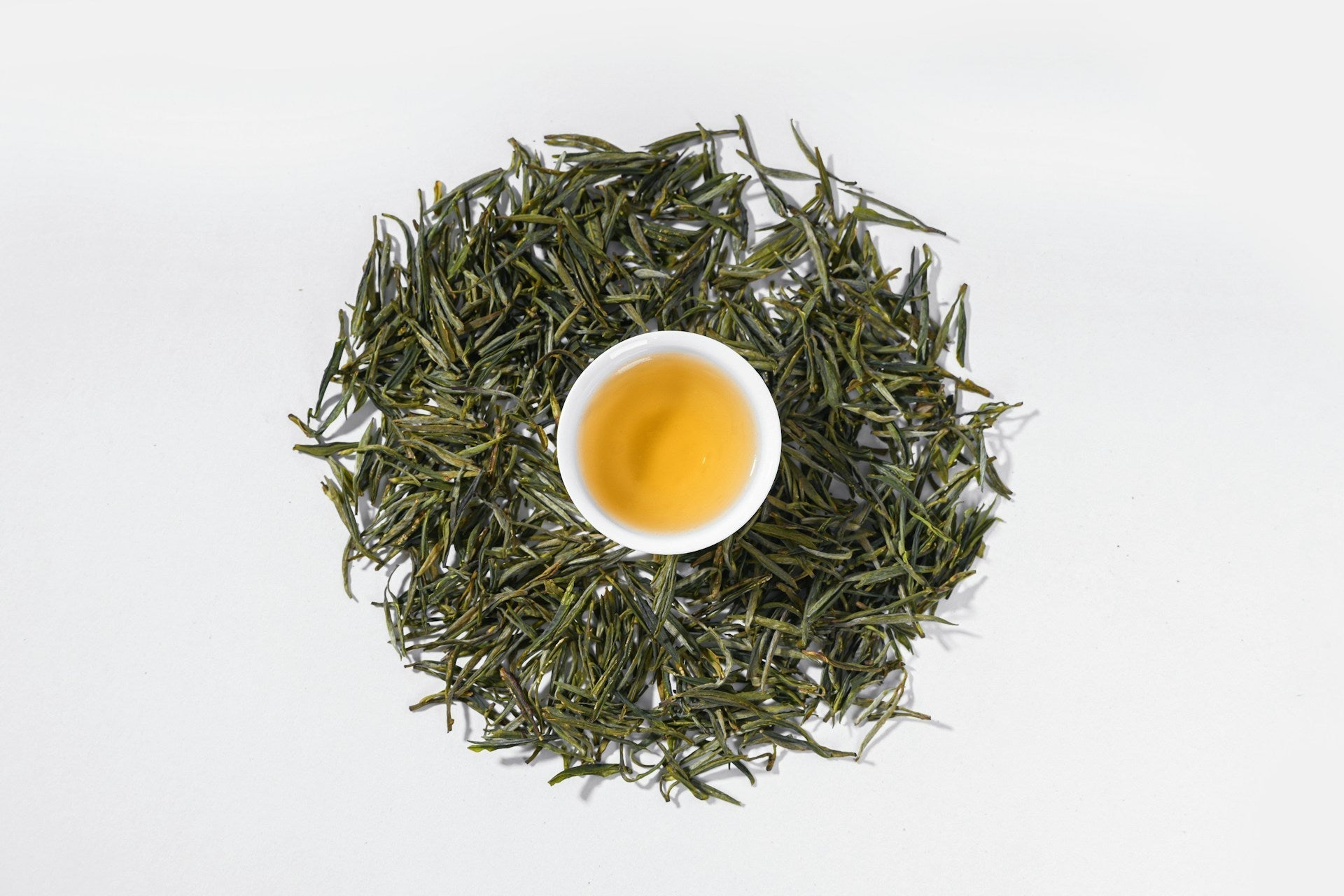
I know the panic of silence. A keynote on the calendar. A throat like dry parchment. In 2025, the best tea for lost voice relief remains mercifully simple. Five herbs consistently soothe hoarseness, dryness, and irritation. Ginger, licorice root, chamomile, peppermint, and slippery elm. They hydrate. They calm swollen tissue. They coat sore mucosa. If you need the best tea for voice loss today, start with ginger or slippery elm. Add raw honey. Sip warm, not hot. Rest your voice. You can expect comfort within minutes, and steadier recovery across a day or two.
For deeper comparisons on vocal care teas, I often point readers to our field reviews. See the full breakdown in this best tea for vocal cords 2025 comparison. If you sing for work, bookmark this guide on the best teas for singers 2025. I’ll keep us practical here, with exactly how and why these five work.

The five best teas for a lost voice in 2025
I grew up believing tea needed milk and a firm backbone. Assam was my compass. Losing my voice forced humility. I learned to reach for herbs that behave like medicine. Each of these earns its place by action, not romance.
Ginger tea
- Why it works: Strong anti-inflammatory and antimicrobial effects. Gingerols and shogaols calm swelling.
- What I feel: Warmth, circulation, a sense of opening.
- Best when: Your throat feels tight, inflamed, or congested.
- Taste: Lively spice with citrus lift if you add lemon.
- Pro tip: Slice fresh ginger thinly. Simmer, don’t just steep.
Curious about ginger’s specific effects on hoarseness and cords? See this deep dive: Is ginger tea good for your voice.
Lic
Frequently Asked Questions
What are the five best teas for a lost voice in 2025, according to the article?
The article states that the five best herbs for lost voice relief in 2025 are ginger, licorice root, chamomile, peppermint, and slippery elm. These are chosen for their ability to hydrate, calm swollen tissue, and coat sore mucosa.
How quickly can one expect comfort and recovery from using these teas for a lost voice?
You can expect comfort within minutes, and steadier recovery across a day or two, especially when coupled with voice rest.
What general advice is given for consuming these teas to relieve a lost voice?
For best results, add raw honey to your tea, sip it warm (not hot), and make sure to rest your voice.
Why is ginger tea particularly effective for a lost voice, and what are its key benefits?
Ginger tea is effective due to its strong anti-inflammatory and antimicrobial effects. Its compounds, gingerols and shogaols, are known to calm swelling. It provides warmth, improves circulation, and creates a sense of opening, making it ideal when your throat feels tight, inflamed, or congested.
What is a pro tip for preparing ginger tea for vocal relief?
For maximum benefit, slice fresh ginger thinly and simmer it, rather than just steeping, to extract its potent properties.
References
- ArtfulTea: The Best Teas for Singers - A resource on teas for vocal health and wellness.
- Dustin Kaufman Music: Tea for Singers - Natural Solutions for Vocal Health - Provides natural solutions for maintaining vocal health.
- CatSpring Tea: Sip Your Way to Relief - Best Teas for a Sore Throat and Lost Voice - Guide to teas effective for soothing sore throats and lost voices.
- Center for Vocal Health: Top 5 Teas to Support Singers and Vocal Health - Expert tips on teas beneficial for singers and overall vocal well-being.
- Healthline: Home Remedies for Laryngitis - Information on various home remedies to alleviate laryngitis symptoms.
- Chás do Mundo: 7 Teas for Hoarseness - Presents a selection of teas known to help with hoarseness.
- Sunich: Drinks that Cure Hoarseness - Discusses different beverages that can provide relief for hoarseness.
Share:
Is Ginger Tea Good for Your Voice? A Complete Guide
The Ultimate Guide to Tea for Vocal Health