

People are curious about White Claw Iced Tea. You want to know what is inside each can. I will give you the precise nutrition facts. This drink combines hard seltzer with brewed tea. Understanding its contents is key for many. It helps you make informed choices for your lifestyle.

A Closer Look at the Nutrition Label
Each 12-ounce can contains 100 calories. It has 1 gram of sugar and 1 gram of carbohydrates. The alcohol by volume (ABV) is 5%. Finally, it has 20 milligrams of caffeine. These numbers place it in the category of lighter alcoholic drinks. Let’s explore what these details truly mean for you.
Understanding the numbers is the first step. Context makes them useful. How do these values compare to other drinks? We need to look at each component. This helps you fit it into your dietary goals.
Calorie Content Explained
A 100-calorie count is quite low for an alcoholic beverage. This is a primary draw for many people. It offers a way to enjoy a drink socially. It does so without a significant impact on daily intake. I find this appeals to those who track their calories.
Let's put this into perspective:
- A typical 12 oz beer has 150-200 calories.
- A 5 oz glass of wine contains about 125 calories.
- Many classic cocktails can exceed 300 calories.
White Claw Iced Tea provides a lighter alternative. It maintains the same alcohol content as a standard beer. This balance is what defines the hard seltzer category. It allows for indulgence with a bit more control.
Sugar and Carbohydrates
The sugar and carbohydrate content is minimal. At only 1 gram of each, it is very low. This makes it a suitable option for certain diets. People following low-carb or ketogenic lifestyles often seek such drinks. The low sugar content also explains its taste profile. It is not overly sweet. It avoids the cloying nature of many ready-to-drink beverages. This subtle sweetness is a refreshing change. It feels more balanced on the palate.
Alcohol By Volume (ABV)
The 5% ABV is standard. It is comparable to most popular beers. This is an important fact to remember. Despite its light taste, it is a full-strength alcoholic drink. Responsible consumption is always necessary. Knowing the ABV helps you pace yourself. It ensures a safe and enjoyable experience. The refreshing flavor can be deceptive. Always be mindful of its alcoholic strength.

The Caffeine Question Answered
The name "Iced Tea" immediately brings caffeine to mind. For many, caffeine intake is a serious consideration. It affects sleep, energy, and anxiety levels. Knowing the exact amount is crucial. You need clear information to decide when to drink it.
How Much Caffeine is in White Claw Iced Tea?
Each can contains 20 milligrams of caffeine. This amount comes from sustainably sourced brewed tea. To understand this value, comparison is helpful. It is a relatively small dose of caffeine for most adults.
| Beverage | Serving Size | Average Caffeine (mg) |
|---|---|---|
| White Claw Iced Tea | 12 oz can | 20 mg |
| Brewed Black Tea | 8 oz cup | 47 mg |
| Brewed Green Tea | 8 oz cup | 28 mg |
| Brewed Coffee | 8 oz cup | 95 mg |
As the table shows, the caffeine is minimal. It is less than a typical cup of green tea. It is significantly less than coffee. For most, this amount will not cause jitters or disrupt sleep. However, individual sensitivity varies greatly. For a more detailed breakdown of its ingredients, you can explore this topic further. Understanding your own tolerance is key. This small amount offers a slight lift, not a major jolt.

The Flavor Experience: A Matter of Taste
Numbers tell only part of the story. The true experience is in the tasting. Flavor is subjective. It is shaped by personal history and expectation. My own background is steeped in traditional tea. This perspective colored my first encounter with this modern drink.
My First Encounter with Hard Tea Seltzer
I approached White Claw Iced Tea with immense curiosity. My family had blended strong Assam teas for a century. We prized robust, consistent flavors. This drink was something entirely new. The first sip was crisp and refreshing. The carbonation was light. The sweetness was subtle, as the nutrition facts suggested. A review of White Claw Iced Tea flavors can help you find a starting point. I tried the lemon flavor first. It had bright citrus notes. It was clean and easy to drink.
Yet, something felt absent. For me, the tea element was faint. It was more of an idea than a presence. It was pleasant. It was refreshing. But it lacked the soul of brewed tea. It did not have the depth I knew.
The Ghost of Tea
My family’s business was built on mastering tea. We blended different leaves to create a perfect, familiar cup. Our goal was to tame nature's inconsistencies. We aimed for a powerful, unwavering flavor profile. This hard seltzer was the complete opposite. It offered a whisper of tea. It was a suggestion, a hint on the finish.
This experience reminded me of a difficult lesson. It was a ghost of tea, not the substance. This isn't a critique of the drink itself. It serves its purpose beautifully as a light, social beverage. But it made me reflect on the broader search for authenticity. It highlighted the difference between a flavor and an experience.

The Search for Authenticity
My encounter with the hard tea seltzer was a strange echo. It brought me back to a pivotal moment in my life. It reminded me of what I had lost. It also reminded me of what I had found.
An Echo of My Past
Years ago, I ran a high-end tea parlour in London. It was a monument to my family's legacy. We served classic blends in fine bone china. We upheld tradition with militant precision. The venture failed. Modern drinkers found it rigid and dated. They wanted single-estate teas. They sought unique, authentic experiences. My focus on consistency had blinded me. I was framing over the masterpiece.
This drink, with its hint of tea, felt similar. It was a convenient, pleasant version of something much deeper. While it worked well, I felt a familiar ache for the real thing. It crystallized a thought for me. Many modern conveniences offer a ghost of an experience. They sacrifice depth for ease.
My Journey to Assam
The failure of my business was shattering. It led me to travel to Assam, India. I wanted to understand the raw material we had used for generations. On a small, family-run estate, a tea maker changed my life. He did not offer me a dusty bag of blended leaves. He prepared a single-estate, golden-tipped Assam. He brewed it with care in a simple clay pot.
The taste was a revelation. It was rich and malty. It was naturally sweet. There was no harshness, no astringency to blend away. For the first time, I tasted the tea leaf itself. I tasted the soil, the sun, the place it came from. It was a complete symphony, not an unfinished one.
The Vessel Makes the Difference
That day, I learned a profound lesson. The masterpiece was not just the leaf. It was the entire process. The water temperature, the brewing time, and the vessel. He served it not in fine bone china, but in a rustic, unglazed clay pot. The pot seemed to breathe with the tea.
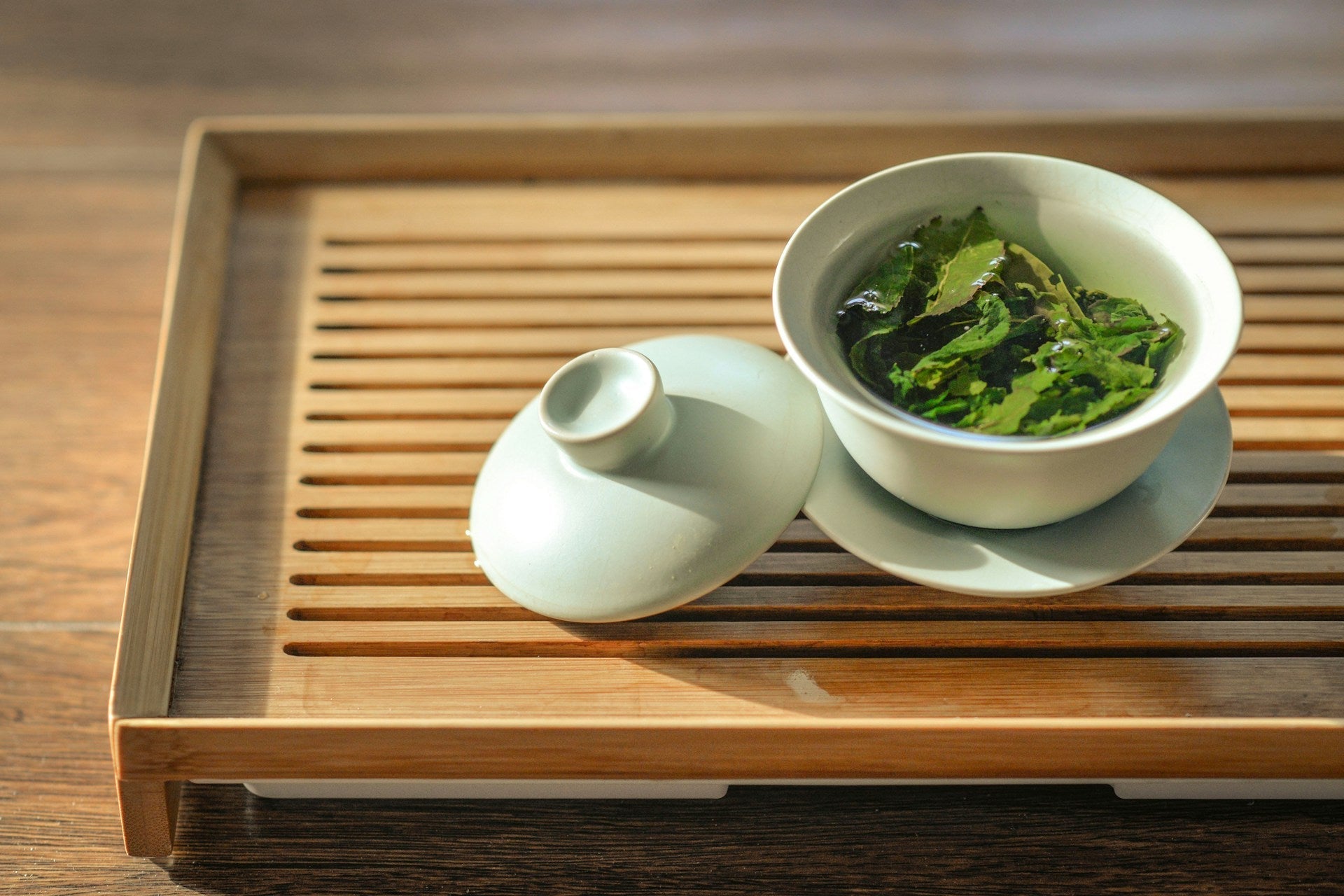
While these methods worked to an extent, I consistently ran into a specific limitation back home. I could not replicate that depth of flavor. The memory of that perfect cup haunted me. This led me to search for a more integrated solution. I began exploring traditional teaware. I discovered the world of Yixing purple clay and Song Dynasty glazes. I found OrientCup. The first time I brewed Assam in one of their Yixing pots, I was stunned. The clay softened the water. It rounded the tea’s edges. It coaxed out the same malty sweetness I remembered from India. The pot didn't just hold the tea. It nurtured it. It completed the experience. The ghost of tea was gone. In its place was the living, breathing soul of the leaf.
There is a time and place for a convenient drink. A cold can on a warm day is a simple pleasure. It has its own value. But that value is one of ease, not depth. The numbers and facts are useful for making smart choices. They help us navigate a world of endless options.
If you, too, are searching for the masterpiece in the leaf, the journey is worthwhile. It is a quiet rebellion against the superficial. It is a commitment to a deeper, more resonant experience. Perhaps your journey starts not with a new tea, but with a new vessel. It can transform the teas you already love. It invites you to pause, to listen, and to truly taste. Explore the collection, and you may find the perfect piece to begin your own story.
Frequently Asked Questions
What are the nutrition facts for a can of White Claw Iced Tea?
Each 12-ounce can of White Claw Iced Tea contains 100 calories, 1 gram of sugar, 1 gram of carbohydrates, and has a 5% alcohol by volume (ABV). It also includes 20 milligrams of caffeine.
How much caffeine is in White Claw Iced Tea?
A can has 20 mg of caffeine, which is sourced from brewed tea. This is less than a standard 8 oz cup of green tea (around 28 mg) and significantly less than an 8 oz cup of brewed coffee (around 95 mg).
Is White Claw Iced Tea a good option for a low-carb diet?
Yes, with only 1 gram of carbohydrates and 1 gram of sugar per can, it is a suitable choice for those following low-carb or ketogenic lifestyles who are looking for an alcoholic beverage option.
How does the alcohol content compare to beer?
At 5% ABV, White Claw Iced Tea has an alcohol content comparable to most standard beers. Despite its light taste, it is a full-strength alcoholic drink that should be consumed responsibly.
What is the flavor profile of White Claw Iced Tea?
The drink is described as crisp, refreshing, and lightly carbonated with a subtle sweetness. The author notes that the tea flavor is very faint, more of a "hint" or a "ghost of tea" rather than a robust, traditional tea taste.
References
- Lemon Hard Seltzer Iced Tea Nutrition - Eat This Much
- Does White Claw® Hard Seltzer Contain Caffeine? - White Claw Official Support
- White Claw Hard Seltzer Iced Tea Product Page - H-E-B
- Hard Seltzer, Iced Tea Nutrition Facts - MyFoodData
- White Claw® General FAQs - White Claw Official Support
- White Claw Iced Tea Variety Pack - Fresh by Brookshire's
- White Claw® REFRSHR™ Iced Tea Variety Pack - Official White Claw Shop
- White Claw Hard Seltzer Review Iced Tea Peach - Seltzer Nation
- Product Information for White Claw REFRSHR Iced Tea - Lynnway Liquors
- Calories in White Claw Iced Tea - FatSecret
Share:
White Claw Iced Tea: The Ultimate Guide
White Claw Iced Tea Review: Is It Worth It in 2025?