

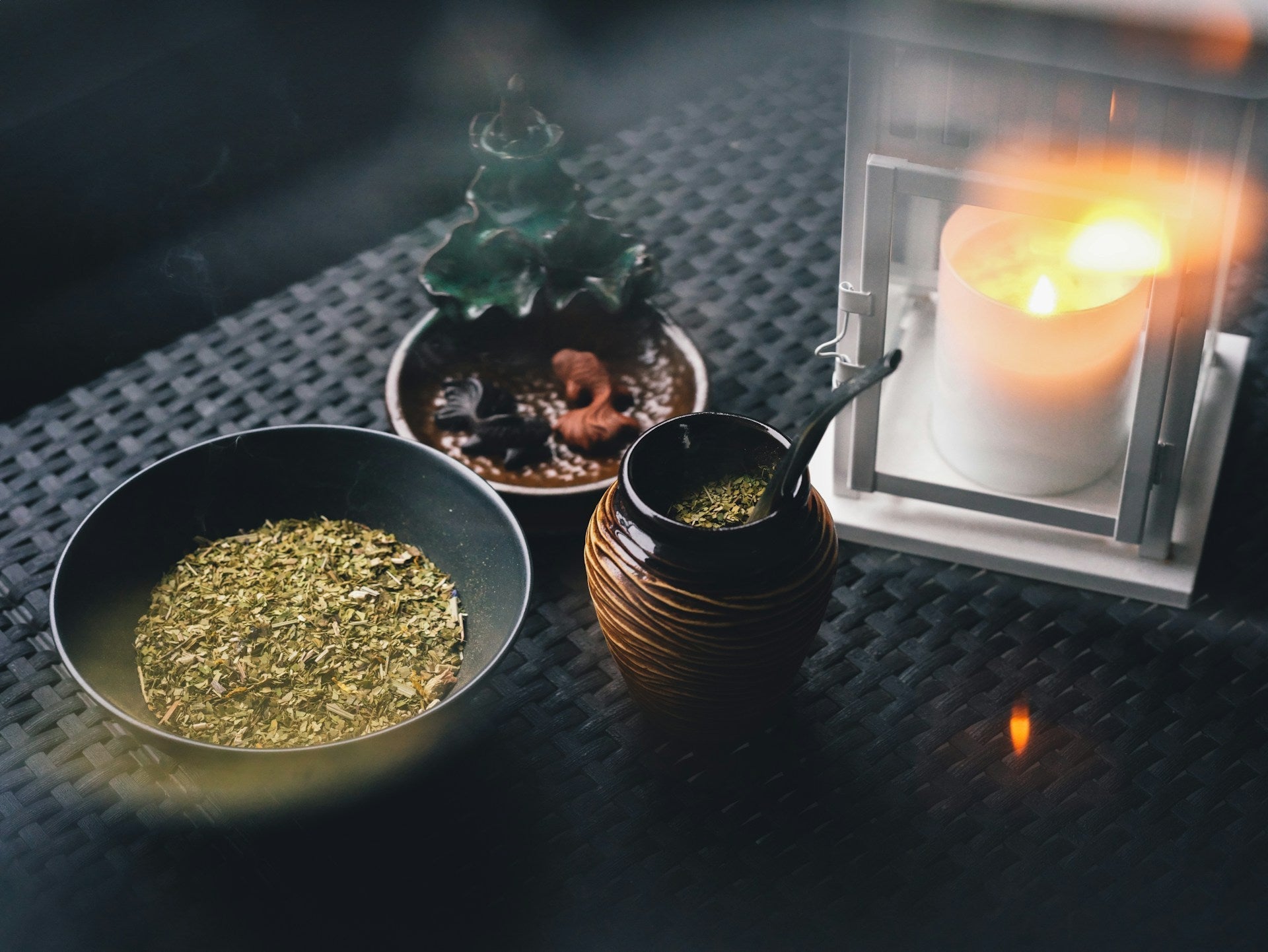
Keto tea is a warm, energizing beverage. It supports a low-carb, high-fat lifestyle. At its core, it is simple. You combine brewed tea with healthy fats. This drink helps maintain ketosis. It provides steady energy without the crash. It can also curb hunger between meals. My own journey with tea began long before I knew about keto. It was part of my family’s life. This background gave me a unique lens. I saw keto tea not just as a tool, but as a ritual. A ritual that could be perfected.

Understanding Keto Tea and Its Purpose
What is Keto Tea?
Keto tea is not a specific type of tea leaf. It is a preparation method. You take your favorite tea. Then you add a source of high-quality fat. Common additions include MCT oil or grass-fed butter. The goal is to create a satisfying, high-fat drink. It provides fuel for a ketogenic metabolism. This beverage is a counterpart to keto coffee. It offers a different flavor profile and benefits. Many people find tea gentler on their system. It offers a calmer, more focused energy. This makes it a wonderful start to the day. Or a perfect afternoon pick-me-up.
How Keto Tea Supports Your Goals
The power of keto tea comes from its ingredients. Medium-Chain Triglycerides (MCTs) are key. Your liver rapidly converts MCTs into ketones. These are the fuel source your body uses in ketosis. Consuming 20 grams of MCT oil can raise blood ketone levels. They can increase by 0.5 to 1.5 mmol/L within an hour. This provides immediate brain and body fuel.
MCTs also boost your metabolism. They can increase daily energy expenditure by about 5%. This supports long-term weight management. Furthermore, keto tea is incredibly satiating. Studies show MCTs help you feel full longer. One study found people ate 256 fewer calories at lunch. This was after having MCTs with breakfast. The tea itself also offers benefits. Green tea, for example, contains catechins. These compounds may aid in fat oxidation. Drinking tea on keto is a powerful way to support your health journey.

Choosing the Right Ingredients for Your Brew
Selecting Your Tea Base
Your choice of tea forms the foundation of your drink. Each type brings its own character and benefits.
- Green Tea: This is a popular choice. It is rich in antioxidants like EGCG. It also contains L-theanine. This amino acid promotes calm alertness. Many wonder, "is green tea keto friendly"? The answer is a clear yes. It has zero carbs and supports metabolic health.
- Black Tea: Black tea offers a robust, bold flavor. It stands up well to the richness of added fats. It contains a moderate amount of caffeine. This provides a gentle energy lift.
- Oolong Tea: Oolong sits between green and black tea. It has a complex, often floral or fruity profile. It provides a balanced option for your keto brew.
- Herbal Teas: These are naturally caffeine-free. Options like peppermint, ginger, or chamomile work well. They are perfect for an evening keto tea. They help you wind down while staying on track. If you enjoy floral notes, you may ask, is hibiscus tea keto friendly? It is, as long as it's unsweetened.
The Best Fats for Ketosis
Choosing the right fat is crucial for effect and flavor. Each fat offers a slightly different advantage. You can use them alone or in combination. This allows for personal customization.
| Fat Source | Net Carbs (1 Tbsp) | Key Benefits & Characteristics |
|---|---|---|
| MCT Oil | 0g | Directly converts to ketones for quick energy and mental clarity. |
| Grass-Fed Butter | 0g | Adds a rich, creamy texture and contains healthy fatty acids. |
| Ghee | 0g | A clarified butter option. It is lactose and casein-free. Great for dairy sensitivities. |
| Coconut Oil | 0g | Contains MCTs (mostly C12) and adds a subtle coconut flavor. |
Flavor Without Compromise
Plain keto tea can be an acquired taste. Luckily, you can add flavor easily. You do not need to add carbs or sugar. Keto-friendly sweeteners are excellent options.
- Stevia
- Erythritol
- Monk Fruit
These sweeteners have a glycemic index of zero. They will not impact your blood sugar levels. Spices are another wonderful addition. Cinnamon can help with blood sugar regulation. Ginger adds a warming, anti-inflammatory kick. Nutmeg provides a comforting aroma. You can create a delicious keto chai tea latte with these spices. Just blend them into your tea with a splash of unsweetened almond milk.

Preparing and Integrating Keto Tea
A Simple Preparation Method
Making delicious keto tea is straightforward. The key is proper emulsification. This prevents the oil from separating. A blender is your best tool for a smooth, creamy result.
- Brew Your Tea: Start with high-quality tea. Use the correct water temperature for your leaves. For green tea, use water around 175°F (80°C). For black or herbal teas, use boiling water at 212°F (100°C). Steep for the recommended time.
- Combine Ingredients: Pour the hot, brewed tea into a blender. Add your chosen fats. A good starting point is one teaspoon of MCT oil. You can also add one tablespoon of butter or ghee.
- Add Flavor: Include any sweeteners or spices now.
- Blend: Secure the blender lid tightly. Blend on high for 20-30 seconds. The tea will become frothy and creamy.
- Serve Immediately: Pour into your favorite mug. Enjoy the warm, nourishing beverage.
Finding Your Daily Rhythm
When you drink keto tea matters. The timing can enhance its benefits. Many people enjoy it first thing in the morning. It provides clean energy and mental focus to start the day. It also works well as an afternoon snack replacement. It can crush cravings and keep you full until dinner.
Be mindful of intermittent fasting. A typical keto tea contains 100-200 calories. This will break a fast. If you practice strict fasting, save your tea for your eating window. If you follow a "fat fast," it can be a suitable choice.
Potential Side Effects and Considerations
Keto tea is safe for most people. However, there are some things to keep in mind. MCT oil can cause digestive upset for some. This is especially true in the beginning. Start with a small dose, like one teaspoon. Gradually increase as your body adapts. Pay attention to your total caffeine intake. This is important if you are sensitive to it. If you have any underlying health conditions, consult your doctor. It is always wise before making significant dietary changes.

My Journey from Tea Leaves to the Perfect Cup
A Lesson in Humility
I grew up surrounded by tea in the Wuyi Mountains. For my family, tea was a livelihood. It was rooted in the earth and hard work. My grandfather, a tea master, spoke of "rock rhyme." It was a mystical quality in our oolongs. I pursued Tea Science in college. I wanted to decode this magic with data. I found myself caught between science and tradition.
After graduating, I tried to sell our family’s tea online. I insisted on the traditional "fully fired" taste. The market rejected it. My business failed quickly. I had focused entirely on the quality of the leaf. I believed its excellence should be self-evident. My failure taught me a hard lesson. Excellence is not just about the source. It is also about the experience.
The Jingdezhen Epiphany
Feeling lost, I traveled to Jingdezhen. This is the historic capital of porcelain. I watched an old artisan mending a broken cup. He worked with quiet, focused intention. He told me something simple. "Tea has a different destiny in different cups." That sentence changed everything. I realized my failure was not just about market tastes. It was my own narrow focus. I had obsessed over the tea. I had completely ignored the vessel that held it.
This insight reshaped my approach to keto tea. I had struggled with its texture at first. The oily film felt functional, not pleasant. It was a means to an end. But the artisan's words echoed in my mind. I began experimenting. I traded my standard kitchen mug for different teaware. I wanted to see if the vessel could change the drink.
Transforming a Routine into a Ritual
I found my answer in a delicate porcelain cup. The thin, smooth lip felt different. The oily sensation was less pronounced. The shape of the bowl seemed to concentrate the tea's aroma. The warmth spread evenly through the fine ceramic. It warmed my hands in a comforting way. My morning keto tea transformed. It was no longer a chore I endured for energy. It became a moment of quiet reflection. A true ritual.
The experience taught me that the vessel is not passive. It is an active participant in the tasting. It shapes flavor, aroma, and mouthfeel. It changes how we perceive the drink in our hands. A piece of authentic, handcrafted teaware connects us to this truth. It turns a simple routine into a mindful practice. This is the experience I now share through OrientCup. We seek to honor the connection between the tea and its cup. We find the perfect home for every brew.
The path to a perfect cup of keto tea is personal. It involves finding the right ingredients. It means perfecting your preparation. But it also means considering the entire experience. Your daily tea can be more than just fuel. It can be a moment of tranquility. A small, beautiful ritual in your day. I invite you to explore this connection for yourself. Discover how the right vessel can elevate your tea journey. Perhaps you will find a piece in our collection that speaks to you.
Frequently Asked Questions
What exactly is keto tea?
Keto tea is not a specific type of tea leaf, but rather a preparation method. It involves combining your favorite brewed tea with high-quality fats like MCT oil or grass-fed butter. The goal is to create a satisfying, high-fat drink that provides fuel for a ketogenic metabolism, offering steady energy and helping to curb hunger.
How does keto tea support a ketogenic diet and weight management?
Keto tea supports your goals primarily through its fat content, especially Medium-Chain Triglycerides (MCTs). Your liver rapidly converts MCTs into ketones, providing immediate brain and body fuel. MCTs can raise blood ketone levels, boost metabolism by about 5%, and are incredibly satiating, helping you feel full longer and potentially reduce overall calorie intake.
What types of tea are best suited for making keto tea?
Several types of tea make excellent bases for keto tea: Green Tea (rich in antioxidants like EGCG and L-theanine), Black Tea (robust flavor, moderate caffeine), Oolong Tea (complex, balanced profile), and various Herbal Teas (caffeine-free options like peppermint, ginger, chamomile, or hibiscus). The key is to use unsweetened varieties.
Which fats are recommended for keto tea, and what are their benefits?
The best fats for keto tea include MCT Oil (directly converts to ketones for quick energy and mental clarity), Grass-Fed Butter (adds rich, creamy texture and healthy fatty acids), Ghee (clarified butter, lactose and casein-free option), and Coconut Oil (contains MCTs and adds a subtle coconut flavor). These all have 0g net carbs per tablespoon.
How do I prepare keto tea to ensure it's smooth and creamy?
For a smooth, creamy keto tea, proper emulsification is key, and a blender is your best tool. First, brew your tea to the correct temperature and steep time. Pour the hot tea into a blender, add your chosen fats (e.g., 1 tsp MCT oil and 1 tbsp butter/ghee), and any keto-friendly sweeteners or spices. Blend on high for 20-30 seconds until it's frothy and emulsified, then serve immediately.
Can keto tea break an intermittent fast?
Yes, a typical keto tea contains 100-200 calories, which will break a strict intermittent fast. If you practice strict fasting for autophagy or metabolic reasons, it's best to save your keto tea for your designated eating window. However, if you are following a "fat fast," it can be a suitable choice.
Are there any potential side effects of drinking keto tea?
Keto tea is generally safe for most people. However, MCT oil, in particular, can cause digestive upset like stomach discomfort or diarrhea, especially when first introduced. It's advisable to start with a small dose (e.g., one teaspoon) and gradually increase as your body adapts. Also, be mindful of your total caffeine intake if you are sensitive to it. Always consult your doctor before making significant dietary changes, especially if you have underlying health conditions.
The article mentions the "vessel" as important. How does the choice of cup impact the keto tea experience?
The article highlights that the choice of teaware, or "vessel," can significantly transform the keto tea experience. A delicate porcelain cup, for instance, can make the oily sensation less pronounced, concentrate the aroma, and provide a comforting warmth. The vessel is seen as an active participant that shapes flavor, aroma, and mouthfeel, elevating a simple routine into a mindful, tranquil ritual.
References
- Energizing Keto Tea - Perfect Keto Guide
- The Keto Diet & Tea: A Guide - Art of Tea
- Keto and Green Tea: Ultimate Diet Combination for Weight Loss - History of Ceylon Tea
- How to Find Keto Tea for Your Keto Diet - Live Zesty
- The Ultimate Guide to Keto-Friendly Teas and Ingredients - Tucson Tea
- Keto-Friendly Tea - BetterMe
- The Keto Diet and Matcha Tea: Everything You Need to Know - Matcha.com
- Is Tea Keto Friendly? - TeaLife
- Tea's Dual Power: How It Targets Weight Loss and Bloating - Midwest Apologetics
- Is Green Tea Keto or Not? - Tealeavz
- Is Green Tea Keto? - Ketogenic.com
- Is Tea Keto? - Ketogenic.com
- Tea Friendly Keto - Northland Tea
- Detox Tea Side Effects - Healthline
- Keto Tea Recipe / Guide - YouTube Video
Share:
Is Hibiscus Tea Keto Friendly? A Complete Guide