

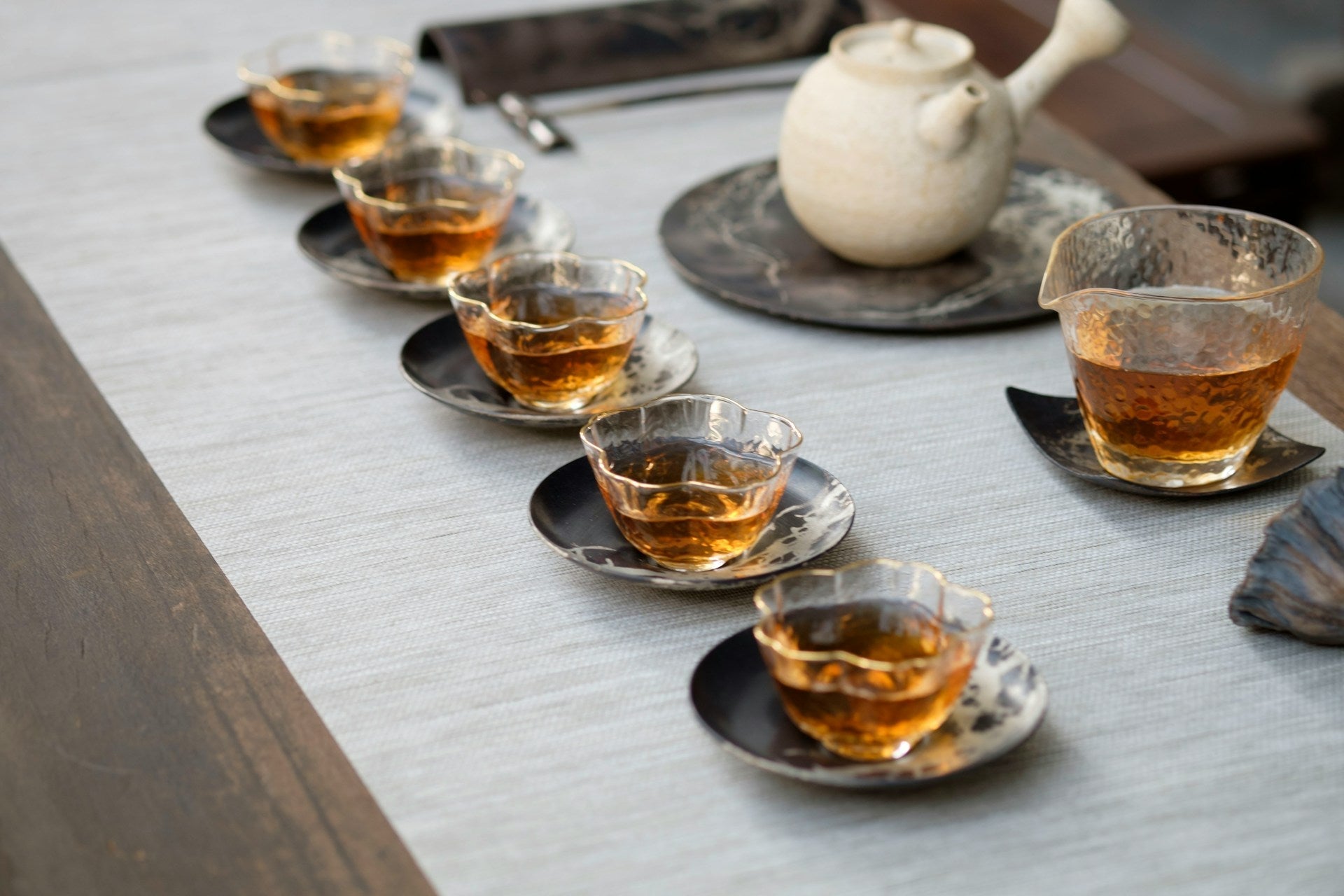
Yes, plain black tea is perfectly keto-friendly. An unsweetened cup of black tea contains almost zero carbohydrates. This makes it an excellent choice for your ketogenic lifestyle. My own journey with tea began in a world far from carb counts. It was a world of tradition, blending, and the belief that tea needed to be tamed. Now, I see tea differently. I see its pure, unadorned state as its greatest strength. This is a truth that aligns beautifully with the clean principles of a keto diet.

The Simple Truth About Black Tea and Keto
Understanding the nutritional basics of black tea is your first step. It helps build confidence in your dietary choices. You can enjoy this wonderful beverage without fear of breaking ketosis. The key is to start with a pure, unadulterated foundation.
Nutritional Facts of Plain Black Tea
Plain black tea is mostly water. The leaves themselves impart flavor and beneficial compounds. They leave behind only trace amounts of macronutrients. When you brew an 8-ounce cup, the numbers are reassuringly low. This clarity was something I once overlooked, focusing instead on the art of blending. I now appreciate the simple perfection of a single-origin leaf.
Here is a breakdown of what you can expect in a standard cup.
| Nutrient | Amount per 8 oz (240 ml) Cup | Keto Impact |
|---|---|---|
| Net Carbohydrates | 0.0 - 0.5 g | Negligible |
| Calories | 1 - 2 kcal | Negligible |
| Fat | 0.0 g | None |
| Protein | 0.0 - 0.1 g | None |
Source: USDA FoodData Central
These numbers confirm that plain black tea fits easily within your daily carb limit. It will not disrupt your body's state of ketosis. You can drink it hot or prepare a refreshing unsweetened iced tea for your keto plan without a second thought.

Customizing Your Keto Black Tea
Many people enjoy their tea with additions. My family tradition always called for milk and sugar. On a keto diet, these choices require careful consideration. The wrong addition can quickly turn your zero-carb drink into a source of hidden sugars. Fortunately, there are many delicious and keto-compliant options available.
Safe Additions for Your Tea
You can create a rich, creamy, and satisfying cup of tea. You just need to choose your ingredients wisely. Heavy cream is a fantastic choice. It adds healthy fats with minimal carbs. Unsweetened nut milks offer a lighter alternative. For sweetness, stick to keto-approved sweeteners.
Here are some excellent keto-friendly additions:
Heavy Whipping Cream: Adds about 0.4 grams of net carbs per tablespoon. It creates a wonderfully rich texture.
Unsweetened Almond Milk: Contains around 1 gram of net carbs per cup. A great dairy-free option.
Unsweetened Coconut Milk: Canned coconut milk adds creaminess. The carton version is a lighter choice. Both are low in carbs.
Keto-Friendly Sweeteners: Erythritol, stevia, and monk fruit are excellent choices. They provide sweetness with zero net carbs.
These ingredients allow you to create a variety of drinks. You can even learn how to make keto milk tea for a special treat.
Additions That Will Break Ketosis
Certain common tea additions are high in sugar. These will quickly knock you out of ketosis. It is crucial to avoid them entirely. This list includes most traditional sweeteners and dairy products. Being aware of these is key to your success.
| Additive to Avoid | Carbohydrates (Approx.) | Reason to Avoid |
|---|---|---|
| Granulated Sugar | 4.2 g per teaspoon | Pure sugar, high in carbs. |
| Honey | 17 g per tablespoon | A natural sugar, very high carb. |
| Regular Milk (2%) | 12 g per cup | Contains lactose, a milk sugar. |
| Agave Nectar | 16 g per tablespoon | High in fructose and carbs. |
| Sweetened Creamers | Varies, often high | Contain sugar and other fillers. |
Always check labels. Sugar hides under many names. Staying vigilant protects your progress.

Navigating the Tea Aisle on Keto
The modern tea market is vast. It offers countless options. Not all of them are keto-friendly. Flavored teas, instant mixes, and bottled drinks often contain hidden sugars. Learning to identify these is a vital skill for any keto dieter.
Reading Labels and Spotting Hidden Carbs
Always read the ingredient list. This is more important than the front-of-package marketing. Plain black tea bags or loose-leaf tea are your safest bet. If you choose a flavored tea, look for potential pitfalls.
Watch out for these ingredients:
Dried Fruit Pieces: Small bits of fruit add up in carbs.
Candied Peel: This is citrus peel preserved in sugar.
Maltodextrin: A high-glycemic powder often used in flavorings.
Sucrose, Fructose, Corn Syrup: These are all forms of sugar.
"Natural Flavors": This term can sometimes hide carb-containing additives.
Bottled iced teas are especially notorious for their high sugar content. A single bottle can contain more than a day's worth of carbs for a keto diet. The same caution applies when ordering out. Knowing how to order a keto iced tea at Starbucks can help you avoid sugary syrups and bases. Making your own is always the safest and most rewarding option.

More Than Just a Keto Drink
Black tea offers benefits beyond being low in carbs. It can positively contribute to your overall health and well-being. These benefits are particularly valuable when following a ketogenic diet. They can support your energy levels, hydration, and cellular health.
The Health Benefits of Black Tea on Keto
This simple beverage is a powerhouse of beneficial compounds. I once thought of these as mere byproducts. Now I understand they are central to the tea's character.
Rich in Antioxidants: Black tea is full of polyphenols. These compounds, like theaflavins, help fight oxidative stress in the body. This complements the anti-inflammatory potential of a keto diet.
Provides a Gentle Energy Boost: A cup of black tea contains about 25-48 mg of caffeine. This can enhance focus and fight the fatigue sometimes felt during keto adaptation.
Supports Hydration: Proper hydration is critical on keto due to electrolyte shifts. Unsweetened black tea is over 99% water. It contributes directly to your daily fluid intake.
May Aid Metabolic Health: Some studies suggest black tea can support healthy insulin function. This aligns perfectly with the metabolic goals of a ketogenic diet.
While black tea is wonderful, it's not the only option. The world of tea offers many keto-friendly choices. Exploring the best keto teas for 2025 can add variety to your routine. You might discover a love for keto-friendly herbal teas or find that ginger tea on a keto diet is a comforting choice.

Finding Your Balance with Black Tea
While black tea is a great keto beverage, moderation is sensible. Like any food or drink, it is best enjoyed as part of a balanced approach. Understanding its properties helps you incorporate it into your routine effectively.
How Much is Too Much?
For most healthy adults, up to 400 mg of caffeine per day is considered safe. This equals about 8-10 cups of black tea. However, individual tolerance varies. Listen to your body. If you experience jitters or sleep disruption, you may want to reduce your intake.
Pay attention to these factors:
Caffeine Sensitivity: Some people are more sensitive to caffeine's effects.
Hydration Balance: While tea is hydrating, high caffeine intake can have a mild diuretic effect. Be sure to drink plenty of plain water as well.
Tannins: Black tea contains tannins. These can sometimes interfere with iron absorption from plant-based foods. It is wise to drink tea between meals rather than with them.
Electrolytes: Black tea does not contain electrolytes. On keto, you must get sodium, potassium, and magnesium from other sources.
I spent years mastering the numbers and blends of the tea business. I believed control was the ultimate goal. My real breakthrough came when I stopped trying to control the tea. I started to listen to it instead. My family's tea parlour in Mayfair was a testament to the old way. It was precise, traditional, and ultimately, a spectacular failure. It taught me a hard lesson. Tradition without soul is merely a museum piece.
Adrift, I traveled to Assam, India. I went to the source of the very leaves my family had blended for a century. On a small estate, a tea maker prepared a single-origin Assam for me. He didn't use a teabag. He used a small, simple clay pot. The tea he poured was luminous. It tasted rich, malty, and naturally sweet. There was no harshness, none of the astringency I had spent my life blending away.
In that moment, everything changed. For a hundred years, my family had been building beautiful frames. We never realized we were framing over the masterpieces themselves. The simple clay pot wasn't just a container. It was an amplifier. It softened the water. It held the heat just so. It allowed the tea to express its true, unblemished character. This realization led me to my work with OrientCup. I discovered that authentic teaware wasn't about decoration. It was about function and respect for the leaf. A traditional Yixing pot can genuinely transform a tea's texture. A Song Dynasty-style celadon bowl cools the liquid at a specific rate, changing how the aroma rises. This is not about luxury. It is about allowing the tea to be its best self. It's about experiencing its pure, ketogenic-friendly essence.
Your journey with tea on a keto diet is a personal one. It starts with a simple cup of plain black tea. It confirms that you can enjoy familiar comforts while pursuing your health goals. From there, a world of depth and flavour awaits. Be mindful of what you add. Savor the pure taste of the leaf.
I invite you to explore this path for yourself. Discover the profound difference that mindful preparation can make. Your own tea epiphany might be just a single, perfect cup away.
Frequently Asked Questions
Is plain black tea truly keto-friendly?
Yes, absolutely. Plain, unsweetened black tea contains almost zero net carbohydrates and minimal calories. This makes it an ideal beverage choice for anyone following a ketogenic diet without fear of breaking ketosis.
What are the nutritional values of plain black tea on a keto diet?
An 8-ounce (240 ml) cup of plain black tea contains approximately 0.0-0.5g net carbohydrates, 1-2 kcal, 0.0g fat, and 0.0-0.1g protein. These amounts are negligible and fit well within daily keto carb limits.
What can I add to my black tea to make it keto-compliant and more enjoyable?
You can enhance your black tea with keto-friendly additions such as heavy whipping cream (for richness and healthy fats), unsweetened almond milk, or unsweetened coconut milk for a dairy-free option. For sweetness, use keto-approved sweeteners like erythritol, stevia, or monk fruit.
Which common tea additions should I avoid to stay in ketosis?
It's crucial to avoid additions high in sugar. These include granulated sugar, honey, regular cow's milk (which contains lactose), agave nectar, and most sweetened creamers. Always check labels, as sugar can hide under various names.
How can I spot hidden carbohydrates in flavored or pre-packaged teas?
Always read the ingredient list carefully. Watch out for ingredients like dried fruit pieces, candied peel, maltodextrin, sucrose, fructose, corn syrup, and "natural flavors," which can sometimes indicate hidden carb-containing additives. Bottled iced teas are especially notorious for their high sugar content.
Does black tea offer health benefits beyond being low-carb?
Yes, black tea is rich in polyphenols, powerful antioxidants like theaflavins, which help fight oxidative stress. It also provides a gentle energy boost from caffeine (25-48 mg per cup), supports hydration, and may aid metabolic health by supporting healthy insulin function, all beneficial for a keto lifestyle.
Is there a recommended limit for black tea consumption on a keto diet?
For most healthy adults, up to 400 mg of caffeine per day (roughly 8-10 cups of black tea) is considered safe. However, individual tolerance varies. Listen to your body to avoid jitters or sleep disruption. Remember that while tea is hydrating, high caffeine intake can have a mild diuretic effect, and black tea doesn't provide electrolytes needed on keto.
References
- BetterMe: Is Tea Keto Friendly? - A comprehensive guide on incorporating tea into your keto diet.
- Teakruthi: Incorporating Tea in Your Keto Diet - Insights on how different teas fit into a ketogenic lifestyle.
- Ketogenic.com: Is Tea Keto? - Discusses the carb content and keto compatibility of various tea types.
- Southern Breeze Sweet Tea: Can You Drink Iced Tea on a Keto Diet? - Focuses on keto-friendly iced tea options.
- Art of Tea: The Keto Diet & Tea - A Guide - Explores various teas suitable for a keto diet.
- Simple Loose Leaf: Tea Keto Diet Guide - A detailed guide for tea lovers on keto.
- Nepal Tea Collective: Does Tea Have Carbs? - Nutritional breakdown of tea and low-carb options.
- Live Zesty: How to Find Keto Tea for Your Keto Diet - Tips for choosing keto-friendly teas.
- Healthline: Keto-Friendly Drinks Beyond Water - Lists various beverages suitable for a ketogenic diet, including tea.
- Midwest Apologetics: How Black Tea for Weight Loss Can Help You Shed Pounds - Discusses the role of black tea in weight management.
- Men's Health: Low-Carb Keto Drinks - Provides a list of low-carb drink options for keto.
- Tessman Seed: Black Tea for Weight Loss - A Natural Approach - Further exploration of black tea's benefits for health and weight.
Share:
Is Ginger Tea Keto Friendly? A Complete Guide
How to Order Keto Iced Tea at Starbucks